Gjirokastër is one of Albania's most fascinating destinations. Known as the Stone City, this UNESCO World Heritage Site combines centuries of history, impressive Ottoman architecture, breathtaking mountain views, and authentic Albanian culture. Whether you're visiting for a day or planning a longer holiday in southern Albania, Gjirokastër offers experiences you won't find anywhere else. This Gjirokastër Travel Guide will introduce you to the city's hidden gems, practical travel tips, and the best ways to explore the surrounding region. You'll also discover why many visitors choose to stay just outside the city, at Hotel Uji i Ftohtë in Tepelenë, where they can enjoy peaceful accommodation beside the Vjosa River while remaining only a short drive from Gjirokastër, Saranda, Vlora, and other must-see destinations.
Ready to plan your retreat? Book directly today
Book Now.JPG)
Historical Significance
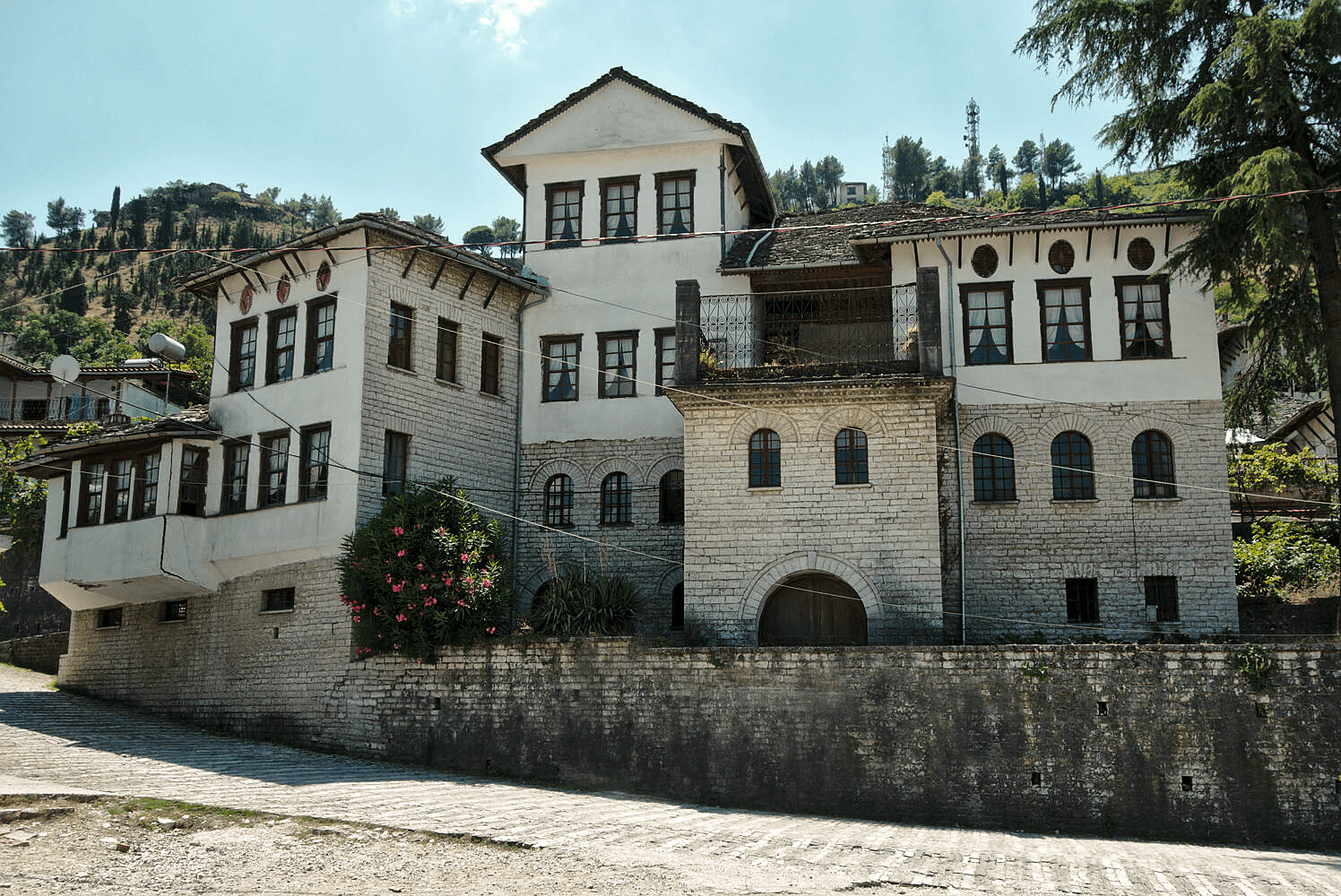
Few cities in the Balkans preserve their history as beautifully as Gjirokastër. Walking through its
cobbled streets feels like stepping back in time. Large stone houses, narrow alleyways, and
impressive towers tell the story of a city that has been influenced by Byzantine, Ottoman, and
Albanian traditions for centuries.
Gjirokastër has played an important role throughout Albania's history. It has witnessed empires,
wars, cultural movements, and political change while preserving its unique identity. Today, visitors
can explore historic buildings, museums, castles, and neighbourhoods that have remained remarkably
authentic.
Its strategic position in southern Albania also makes it an excellent destination for travellers
exploring the region. Many visitors combine Gjirokastër with trips to the Vjosa River, Tepelenë,
Saranda, and the Albanian Riviera, creating an unforgettable itinerary full of history, nature, and
adventure.
The Allure of Gjirokastër, Albania
Gjirokastër is much more than an open-air museum. It is a vibrant city where history meets everyday
life.
Local cafés fill the historic bazaar, traditional craftsmen continue their trades, and family-run
restaurants serve authentic Albanian dishes passed down through generations. Visitors can spend
hours wandering through stone streets, discovering hidden courtyards, and enjoying panoramic views
over the Drino Valley.
One of the city's greatest advantages is its location. It is easy to visit as part of a wider tour
of southern Albania. If you're planning to explore beyond the city, don't miss our guide to the
Vjosa River - Where to Stay and Best Exploration Guides, which
highlights one of Europe's last wild
rivers and the nearby attractions surrounding Hotel Uji i Ftohtë.
The UNESCO World Heritage Status
In 2005, Gjirokastër earned UNESCO World Heritage status thanks to its exceptionally preserved
Ottoman architecture and cultural importance.
The city's famous stone-roofed houses, defensive towers, and steep cobbled streets represent one of
the finest examples of an Ottoman town anywhere in the Balkans.
Unlike many historic cities that have been heavily modernised, Gjirokastër has retained its original
character. Walking through the Old Town allows visitors to experience architecture and traditions
that have survived for hundreds of years.
This UNESCO recognition has helped transform Gjirokastër into one of Albania's most visited
destinations, attracting history lovers, photographers, and cultural travellers from around the
world.
What to Expect from This Travel Guide
Most visitors know about Gjirokastër Castle and the famous bazaar, but there is much more to discover. This guide focuses on five hidden gems that reveal another side of the city. Along the way, you'll also find practical travel advice, recommendations on where to stay, and ideas for extending your journey throughout southern Albania.
Hidden Gem 1: The Secret Cold War Tunnels
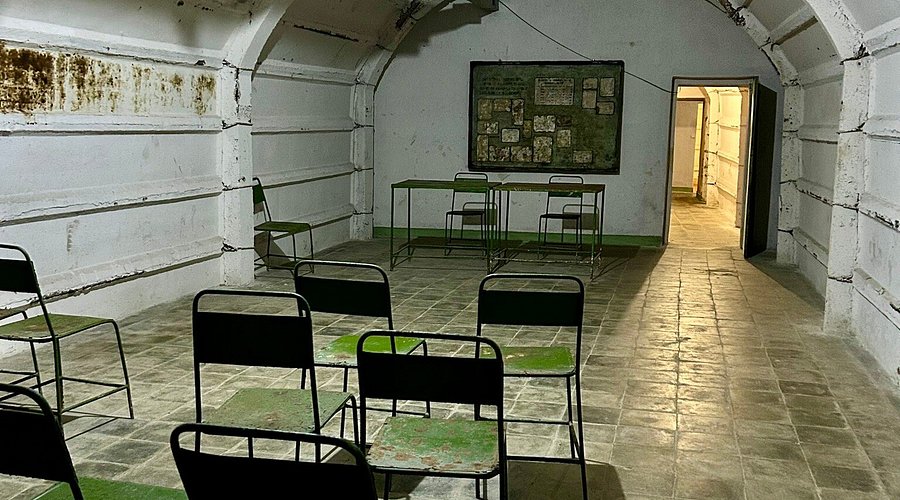
Hidden beneath the streets of Gjirokastër lies one of Albania's most unusual attractions. During the communist era, an underground network of tunnels was built to protect government officials and civilians in the event of military conflict. These tunnels remained closed to the public for many years, making them one of the city's lesser-known attractions. Today, guided tours allow visitors to explore sections of this underground complex while learning about Albania's Cold War history. The tunnels offer a fascinating contrast to the beauty of the Old Town above, revealing another chapter in Gjirokastër's remarkable past.
Hidden Gem 2: Ismail Kadare's House & The Ottoman Homes
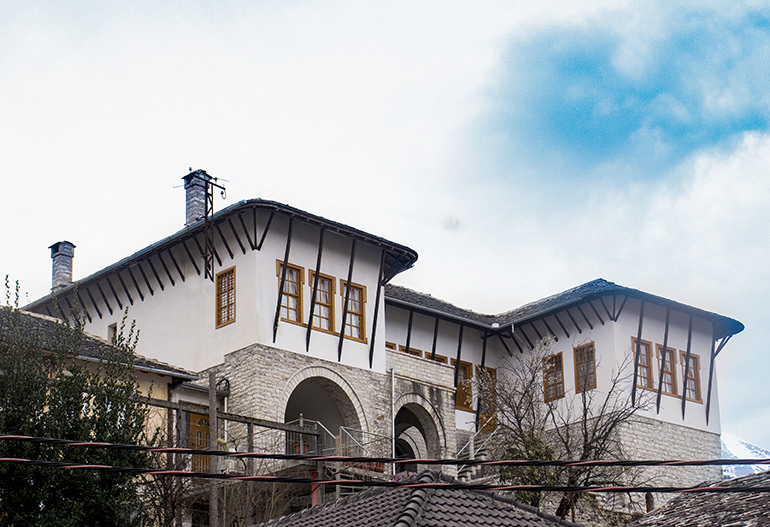
Literature lovers should not miss the former home of Ismail Kadare, Albania's most internationally celebrated author. The beautifully restored house offers insight into Kadare's early life while showcasing traditional Ottoman architecture. Inside, visitors can admire original rooms, handcrafted wooden ceilings, and elegant stone construction typical of wealthy Albanian families. Nearby, several historic Ottoman houses are open to visitors, including the famous Zekate House and Skenduli House. These homes provide an excellent opportunity to understand how affluent families lived during the Ottoman period while enjoying spectacular views across the city.
Hidden Gem 3: Browse the Bazaar & Historic Centre
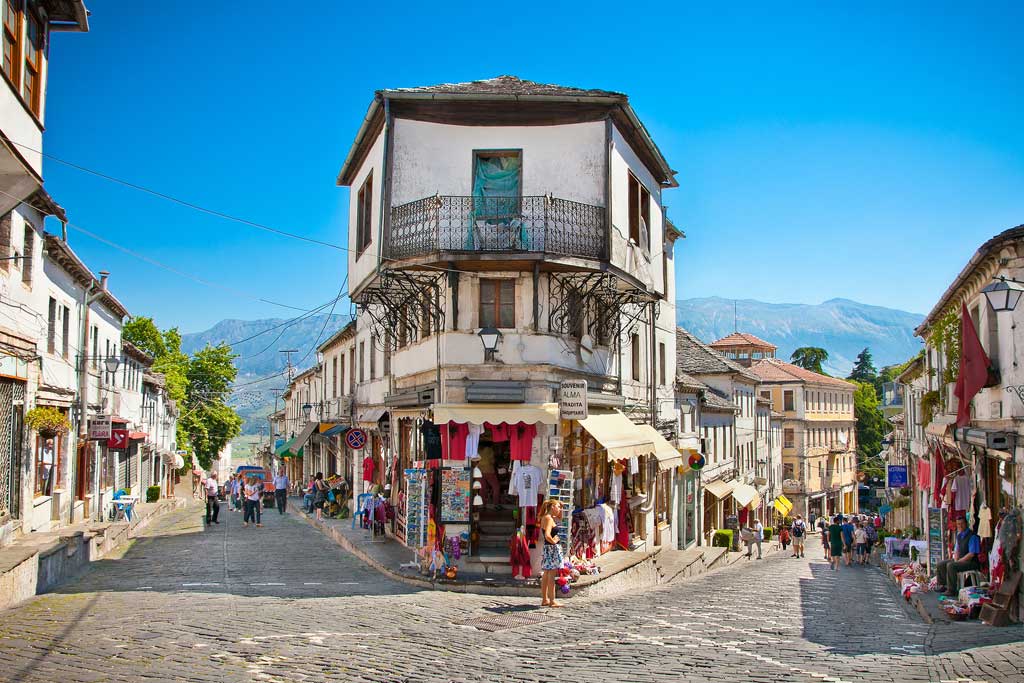
The Old Bazaar is the heart of Gjirokastër. Unlike many tourist markets, this historic centre still serves local residents while welcoming visitors from around the world. Small shops sell handmade carpets, traditional clothing, local honey, olive oil, carved stone souvenirs, and regional wines. The cafés surrounding the bazaar are ideal places to relax with a traditional Turkish coffee while watching daily life unfold. Take your time exploring the narrow streets that branch away from the main square. Some of the city's most beautiful viewpoints and hidden architectural treasures can only be found by wandering without a map.
Hidden Gem 4: Serene Views from Gjirokastër Castle
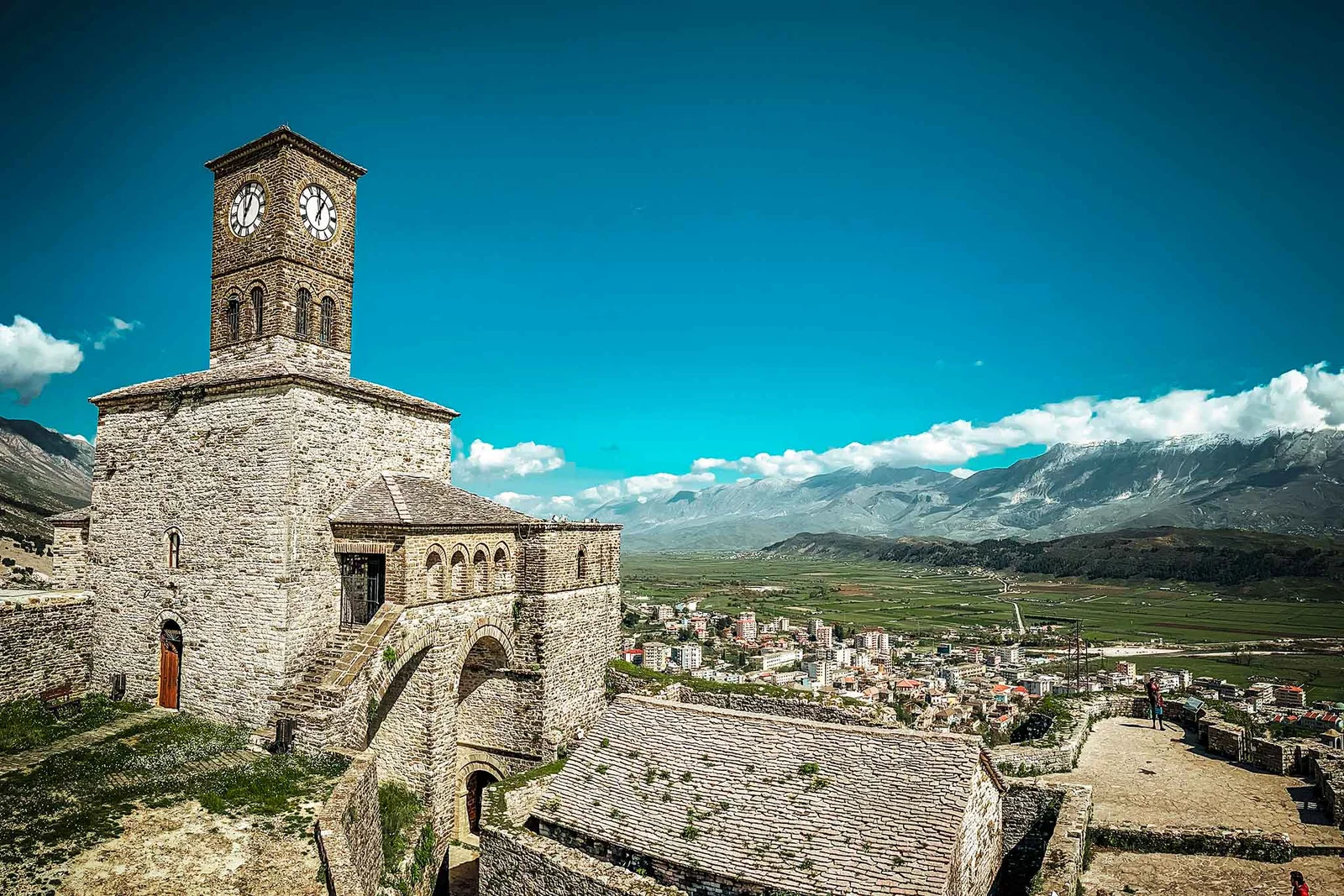
Towering above the city, Gjirokastër Castle offers some of the finest panoramic views in Albania. The castle itself dates back centuries and has served many purposes throughout history, including military defence, royal residence, and prison. Today, visitors can explore ancient walls, museums, artillery displays, and even a preserved military aircraft displayed inside the fortress grounds. Sunset is one of the best times to visit. As the light falls across the stone rooftops and surrounding mountains, the city becomes even more magical. Photography enthusiasts will find countless opportunities to capture unforgettable images.
Hidden Gem 5: The Hoxha Home - The Ethnographic Museum Experience
The Ethnographic Museum is housed in the reconstructed birthplace of former Albanian leader Enver Hoxha. Although the political history is interesting, the museum's greatest attraction is its detailed presentation of traditional Albanian life. Visitors can explore beautifully furnished rooms, traditional costumes, handcrafted furniture, household tools, and displays illustrating daily life during the nineteenth century. The museum offers an authentic glimpse into Albania's cultural heritage and helps visitors better understand the traditions that continue to shape the country today.
After a full day discovering Gjirokastër's hidden treasures, many travellers prefer returning to the
peaceful surroundings of Hotel Uji i Ftohtë rather than staying in the busy city centre.
Located beside the beautiful Vjosa River, the hotel offers spacious accommodation, exceptional
hospitality, and an ideal location for continuing your journey through southern Albania.
Browse the available Rooms & Gallery before planning your stay:
How Long to Stay in Gjirokastër
One of the most common questions travellers ask is how long to stay in Gjirokastër. While it is possible to visit the city's main attractions in a single day, spending two or three days allows you to experience much more than the historic centre. With extra time, you can visit nearby villages, explore the Vjosa River, enjoy local restaurants at a relaxed pace, and discover some of southern Albania's most beautiful landscapes. Gjirokastër is also an excellent starting point for day trips to Tepelenë, Saranda, Vlora, and the Albanian Riviera. Many visitors choose to stay at Hotel Uji i Ftohtë in Tepelenë because it offers a peaceful location surrounded by nature while remaining less than an hour's drive from Gjirokastër. This allows you to avoid the busy city centre while enjoying easy access to all the region's top attractions.
Recommended Itinerary Options
If you're wondering how to organise your visit, here are a few itinerary ideas. One-day trip: Explore Gjirokastër Castle, the Old Bazaar, Ismail Kadare's House, and the Ethnographic Museum. Two-day trip: Add the Cold War Tunnel, local restaurants, nearby viewpoints, and time to explore the surrounding countryside. Three-day itinerary: Combine your visit to Gjirokastër with the Vjosa River, Tepelenë, and the beautiful coastline around Saranda and Vlora. This gives you the opportunity to experience Albania's history, culture, mountains, rivers, and beaches during one unforgettable holiday. If you're planning a longer journey, don't miss our guides to Staff Retreat in Albania and Vjosa River Albania - Where to Stay and Best Exploration Guides for even more inspiration.
Best Time to Visit
Gjirokastër is beautiful throughout the year, but the best seasons to visit are spring (April to
June) and autumn (September to October).
During spring, the surrounding hills become green and colourful, while pleasant temperatures
make exploring the city's steep streets much more comfortable.
Autumn offers equally beautiful scenery, fewer tourists, and ideal weather for walking tours,
cultural visits, and outdoor activities.
Summer is also popular, especially during the Gjirokastër National Folklore Festival, although
temperatures can become quite warm during the afternoon.
Getting to Gjirokastër
Reaching Gjirokastër is straightforward thanks to Albania's improving road network. Whether you are travelling from Tirana, Berat, or Tepelenë, the journey is scenic and offers excellent opportunities to explore more of southern Albania along the way.
How to Get from Berat to Gjirokastër
The journey from Berat to Gjirokastër takes approximately three hours by car, depending on traffic and road conditions. Travelling by car provides the greatest flexibility, allowing you to stop in picturesque villages and enjoy panoramic viewpoints along the route. Public buses are also available, although direct services may be limited during certain seasons.
How to Get from Tirana to Gjirokastër
Travelling from Tirana to Gjirokastër takes approximately four to five hours by car or coach. The route follows Albania's main highways before entering the scenic mountains of southern Albania. Many visitors choose to break up the journey with a stop in Tepelenë, making it the perfect opportunity to enjoy lunch beside the Vjosa River or spend the night before continuing to Gjirokastër.
Transportation from Tepelenë to Gjirokastër
One of the biggest advantages of staying at Hotel Uji i Ftohtë is its location. The drive from Tepelenë to Gjirokastër takes less than one hour, making it incredibly convenient for day trips. Guests can enjoy a peaceful night's sleep beside the Vjosa River before spending the day exploring Albania's famous Stone City without changing accommodation.
Planning a Staff Retreat in Gjirokastër? Where to Accommodate Your Staff
Gjirokastër is becoming an increasingly popular destination for businesses organising company
retreats, leadership workshops, and team-building events.
However, many companies discover that staying slightly outside the city offers a much better
experience.
Hotel Uji i Ftohtë provides spacious accommodation for larger groups, peaceful surroundings,
modern facilities, and quick access to Gjirokastër, the Vjosa River, Saranda, Vlora, and other
destinations.
For companies planning presentations, workshops, or business meetings, the hotel's dedicated
Conference Hall provides a professional space suitable for corporate events:
Businesses looking to organise private celebrations, networking evenings, or company gatherings can also explore the hotel's Events facilities:
EventsIf you would like personalised assistance planning your company retreat, our team is available through the Contact Us page:
Contact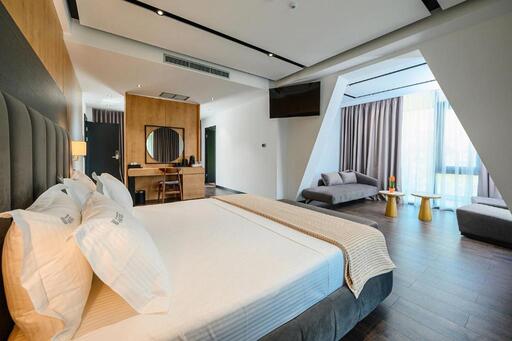
Gjirokastër Weather Considerations
Understanding the weather helps you make the most of your visit. Spring offers mild temperatures and blooming landscapes, making it one of the best seasons for sightseeing. Summer is warm and lively, with long sunny days perfect for exploring Gjirokastër, the Albanian Riviera, and the Vjosa River. Autumn provides comfortable weather, beautiful colours, and fewer crowds, making it another excellent season for cultural tourism. Even during winter, Gjirokastër's stone streets and historic buildings create a charming atmosphere, especially for travellers looking for a quieter experience. No matter the season, staying in Tepelenë allows visitors to enjoy cooler evenings beside the Vjosa River after a day of sightseeing.